Essential Guide to Bathroom Renovation Sydney: Transform Your Space with Expert Tips
Learn more about Bathroom Renovation Sydney and how it applies to your specific needs.
Undertaking a project can be one of the most rewarding home improvements you ever make. Whether you are looking to increase property value, improve functionality, or simply create a personal sanctuary, a well-planned renovation can completely transform your daily routine. Sydney homes, from classic terrace houses to modern apartments, each present unique challenges and opportunities when it comes to bathroom design. With the right approach and professional guidance, you can achieve a stunning result that blends style, durability, and comfort. This comprehensive guide will walk you through every stage, from initial planning to final touches, ensuring you make informed decisions and avoid common pitfalls. Remember, the key to a successful renovation lies in careful preparation, realistic budgeting, and hiring a skilled who understands local regulations and trends.
Planning Your Bathroom Renovation Sydney Project
Learn more about Bathroom Renovator and how it applies to your specific needs.
Before you pick up a hammer or choose tiles, thorough planning is essential. Start by defining your goals. Are you renovating to sell your home, or do you plan to stay for years? This will influence your budget and design choices. Measure your existing bathroom space carefully, noting plumbing locations, window placements, and structural elements. Consider your family’s needs – perhaps you need extra storage, a larger shower, or a bathtub for young children. Research local council requirements in Sydney, as some renovations may require development approval or a complying development certificate, especially if you are altering structural walls or plumbing. Create a mood board with colours, materials, and fixtures that inspire you. Visiting showrooms and display homes can help refine your taste. A detailed plan will serve as your roadmap, helping you communicate your vision to contractors and suppliers. Don’t rush this phase; spending time now saves money and stress later.
Setting a Realistic Budget for Your Renovation
Budgeting is arguably the most critical aspect of any project, and bathrooms are no exception. In Sydney, costs can vary widely based on the scope of work, quality of materials, and labour rates. A basic cosmetic update might start around $10,000, while a full luxury renovation can exceed $40,000. Always include a contingency fund of 10-20% for unexpected issues like water damage, mould, or outdated wiring. Break down your budget into categories: demolition, plumbing, electrical, waterproofing, tiling, fixtures, cabinetry, and labour. Get multiple quotes from licensed tradespeople and compare them carefully – the cheapest option is not always the best. Consider where you can splurge and where you can save. For example, invest in high-quality taps and showerheads for longevity, but choose mid-range tiles if you are on a tight budget. Keep track of all expenses in a spreadsheet to avoid overspending. Remember, a well-planned budget ensures your renovation stays on track and delivers the value you expect.
Choosing the Right Materials and Finishes
Selecting materials for your Sydney bathroom requires balancing aesthetics with practicality. The humid climate demands moisture-resistant products. Porcelain and ceramic tiles are popular for floors and walls due to their durability and water resistance. Natural stone like marble or travertine adds luxury but requires more maintenance. For benchtops, engineered quartz is non-porous and easy to clean, while solid surface materials offer seamless designs. When choosing tapware and fixtures, opt for brushed nickel, matte black, or chrome finishes that resist fingerprints and water spots. Consider water-efficient models to reduce utility bills and environmental impact. For cabinetry, marine plywood or moisture-resistant MDF with sealed edges prevents warping. Don’t forget about lighting – layered lighting with task, ambient, and accent options creates a functional and inviting space. Underfloor heating is a popular addition in Sydney winters, adding comfort and value. Always request samples and view them in your bathroom’s natural light before making final decisions.
Hiring Professionals: Plumbers, Electricians, and Tilers
Learn more about House Renovations and how it applies to your specific needs.
A successful relies on skilled tradespeople. Never attempt plumbing or electrical work unless you are licensed – it is illegal and dangerous. In Sydney, always hire licensed and insured professionals. Ask for references, check online reviews, and verify their credentials with industry bodies like the Master Plumbers Association or the National Electrical and Communications Association. A good plumber will ensure your pipework meets current standards and can advise on fixture placement. An electrician will handle lighting, exhaust fans, and heated towel rails safely. Tilers must be experienced in waterproofing, which is crucial to prevent mould and structural damage. Consider hiring a project manager or a design-build firm that coordinates all trades, saving you time and headaches. Communicate clearly about timelines, access, and expectations. A written contract with a detailed scope of work, payment schedule, and warranty protects both parties. Building a good relationship with your team makes the process smoother and more enjoyable.
Design Trends for Modern Sydney Bathrooms
Learn more about Renovation and how it applies to your specific needs.
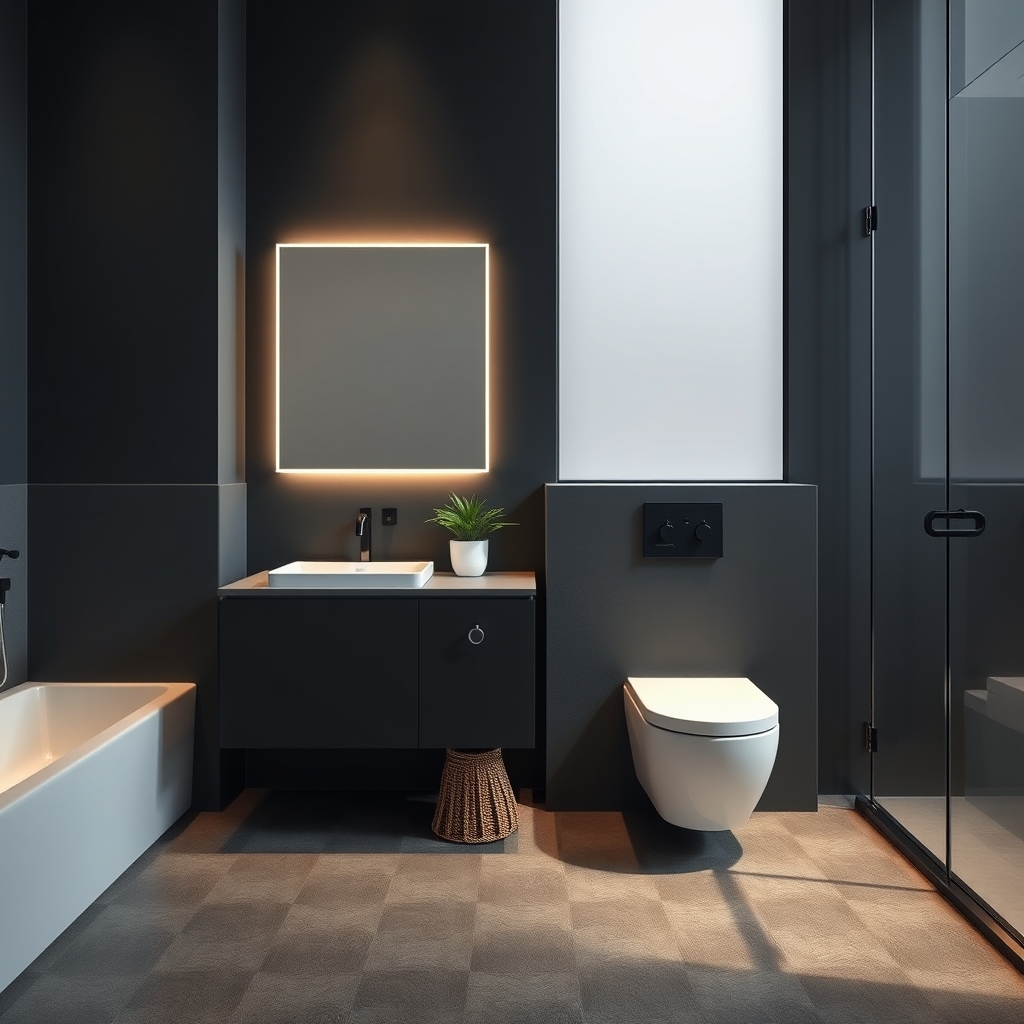
Sydney bathroom design trends blend coastal influences with urban sophistication. Neutral colour palettes with soft greys, warm whites, and natural timber accents create a serene spa-like atmosphere. Large-format tiles with minimal grout lines are favoured for a seamless look. Freestanding bathtubs remain a statement piece, especially in master ensuites. Walk-in showers with frameless glass screens and rainfall showerheads offer a luxurious experience. Smart technology is increasingly popular, including digital shower controls, motion-sensor taps, and heated mirrors that demist. Floating vanities provide a sense of space and make cleaning easier. Greenery, such as potted ferns or succulents, adds life and freshness. For a touch of drama, consider dark navy or charcoal cabinetry paired with brass or gold fixtures. Open shelving is practical for displaying towels and decorative items. Ultimately, choose a style that resonates with you and complements your home’s architecture. Trends come and go, but timeless design with personal touches will keep your bathroom beautiful for years.
Step-by-Step Renovation Process
Understanding the typical renovation sequence helps you prepare mentally and logistically. First, demolition removes old fixtures, tiles, and cabinetry. This is messy, so protect other areas of your home. Next, rough-in plumbing and electrical work – rerouting pipes, installing new wiring, and positioning outlets. Waterproofing is then applied to wet areas, which must be inspected before tiling begins. Tiling follows, starting with floors and then walls. After tiling, install the vanity, toilet, shower base, and bathtub. Then comes plumbing fixtures – taps, showerheads, and drains. Electrical fit-off includes lighting, fans, and switches. Finally, install mirrors, accessories, and caulking. Each stage requires coordination between trades. Expect the project to take 4-8 weeks for a full renovation, depending on complexity. Delays can occur due to material availability or unforeseen structural issues. Stay flexible and maintain open communication with your contractor. Regular site visits ensure work aligns with your vision. Celebrate each milestone, and soon you will enjoy your beautiful new bathroom.
Common Mistakes to Avoid
Many homeowners make avoidable errors during their bathroom renovation. One common mistake is underestimating the importance of ventilation – a powerful exhaust fan prevents mould and mildew. Another is poor lighting placement, leaving shadows or glare. Skimping on waterproofing can lead to costly repairs down the line. Choosing trendy but impractical materials, like highly textured tiles that are hard to clean, is another pitfall. Not planning enough storage leads to cluttered countertops. Forgetting to measure doorways for large fixtures can result in delivery headaches. Also, changing your mind mid-project can cause delays and extra costs. To avoid these issues, stick to your plan, consult professionals, and think long-term. Research thoroughly and ask questions. A little foresight goes a long way in ensuring a smooth renovation and a result you will love.
FAQs
How long does a typical bathroom renovation in Sydney take?
A standard bathroom renovation usually takes between 4 to 8 weeks from demolition to completion. The timeline depends on the scope of work, availability of materials, and the efficiency of your tradespeople. Complex projects involving structural changes or custom cabinetry may take longer. Always discuss realistic timelines with your contractor before starting.
Do I need council approval for a bathroom renovation in Sydney?
In many cases, cosmetic renovations like replacing tiles, vanities, and fixtures do not require council approval. However, if you are altering structural walls, changing plumbing layouts, or increasing the building footprint, you may need a complying development certificate or development application. Check with your local council or a private certifier to ensure compliance.
What is the most expensive part of a bathroom renovation?
Labour costs, particularly for plumbing, electrical work, and waterproofing, often account for the largest portion of the budget. High-end fixtures, custom cabinetry, and natural stone tiles can also significantly increase expenses. Proper planning and obtaining multiple quotes can help manage these costs.
Can I renovate my bathroom on a tight budget?
Yes, you can achieve a fresh look without breaking the bank. Focus on cosmetic updates like painting, replacing hardware, regrouting tiles, and installing a new vanity. Keep the existing plumbing layout to avoid expensive pipe relocation. Shop for sales and consider using quality but affordable materials. A skilled renovator can help you prioritize spending for maximum impact.