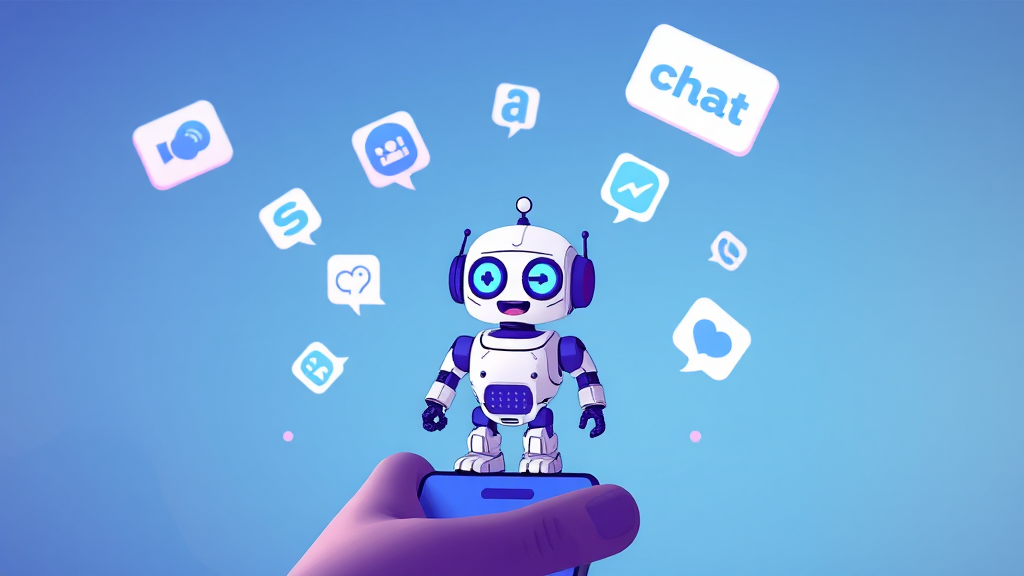
Beyond the Default: Finding the Right Character AI Alternative for Your Conversations
If you’ve spent any time exploring AI chatbots, you’ve likely encountered the popular platforms that let you chat with fictional personas, historical figures, or custom-made characters. While these tools are impressive, many users are now searching for a character AI alternative that offers more flexibility, fewer restrictions, or a different style of interaction. Whether you’re a writer looking for creative inspiration, a gamer building NPC dialogues, or just someone who enjoys late-night philosophical chats, the right platform can make all the difference. In this guide, we’ll explore why you might want to switch, what features to prioritize, and how to evaluate your options without getting overwhelmed.
Why Look for a Character AI Alternative?
The default character AI experience is fun, but it’s not perfect. Many users report frustration with repetitive responses, strict content filters, or a lack of customization. Others find that the characters they want to talk to simply aren’t available, or that the memory of the conversation is too short to maintain a meaningful storyline. If you’ve hit any of these walls, it’s a clear sign that exploring other platforms could be worthwhile. A good alternative can offer more nuanced roleplay, better memory, or even the ability to create your own characters with detailed backstories and personalities.
Another common reason is privacy. Some users are uncomfortable with how their chat data is stored or used. Alternatives that prioritize on-device processing or offer clear data deletion policies can be more appealing. Additionally, pricing models vary widely—some platforms are free with limited features, while others require a subscription for advanced options. Knowing what you value most—whether it’s cost, creativity, or control—will guide your choice.
Key Features to Evaluate in a Character AI Alternative
Before you dive into the sea of options, it’s helpful to know what to look for. Here are the essential features that separate a good alternative from a great one:
- Customization Depth: Can you define your character’s personality, speech patterns, and background? Does the platform allow you to adjust the AI’s creativity or temperature? The more control you have, the more unique your conversations will be.
- Memory and Context: A long-term memory is crucial for ongoing storylines. Some platforms remember details from previous sessions, which makes interactions feel more coherent and personal.
- Content Flexibility: If you’re interested in mature themes or niche topics, check the platform’s content policy. Some alternatives are more permissive, while others have strict guidelines that might limit your experience.
- User Interface and Accessibility: A clean, intuitive interface can make or break your experience. Look for features like mobile apps, voice input, or easy sharing of your favorite conversations.
- Community and Sharing: Many platforms allow users to share their character creations, which can be a great source of inspiration. A vibrant community also means more pre-made characters to try.
Top Categories of Character AI Alternatives
Not all alternatives are created equal. Depending on your needs, you might prefer one category over another:
1. Open-Source and Self-Hosted Solutions
If you’re tech-savvy and want full control, open-source models like Llama 2 or Mistral can be run locally. This gives you ultimate privacy and customization, but it requires some technical knowledge and a decent GPU. For many, the effort is worth it—you can truly tailor the AI to your liking without any external restrictions.
2. API-Based Chatbot Platforms
Developers often prefer APIs that allow them to integrate character chat into their own apps. Platforms like OpenAI’s GPT-4 or Anthropic’s Claude offer powerful language models, but you’ll need to build the character layer yourself. This is a great option if you’re creating a custom experience for users or just want to experiment with different prompts.
3. Consumer-Facing Chatbot Apps
For the average user, there are many apps that offer a similar experience to the mainstream character AI but with unique twists. Some focus on specific genres like anime or fantasy, while others emphasize emotional support or language learning. These are usually the easiest to get started with, as they require no coding or setup.
How to Test a Character AI Alternative Effectively
Once you’ve shortlisted a few candidates, it’s time to put them to the test. Start by creating a character that you know well—perhaps a fictional hero or a historical figure—and see how the AI interprets that persona. Pay attention to the following:
- Response Quality: Are the replies coherent and in-character? Do they show creativity or just repeat common phrases?
- Speed and Latency: A good alternative should respond quickly, ideally in under a few seconds. Long waits can ruin the flow of a conversation.
- Error Handling: How does the AI react when you give an unexpected input? A robust system will gracefully steer the conversation or ask clarifying questions.
- Ease of Use: Is the interface intuitive? Can you easily edit your character’s settings or review past conversations?
Don’t be afraid to try multiple platforms. Many offer free tiers or trial periods, so you can compare them side by side before committing. Keep a notebook or document where you jot down your impressions—this will help you make an informed decision later.
Potential Pitfalls to Avoid When Switching
Switching to a new platform can be exciting, but there are a few common mistakes to watch out for:
- Overlooking Data Privacy: Always read the privacy policy. Some platforms may store your conversations indefinitely or use them for training. If that’s a concern, choose a service that offers encryption or local storage.
- Ignoring Community Guidelines: Even if a platform allows more content, there may still be rules about hate speech, harassment, or illegal topics. Make sure you’re comfortable with their policies.
- Assuming All Models Are the Same: The underlying language model affects everything—tone, humor, knowledge, and even bias. A model that excels at creative writing might not be great at factual Q&A. Consider what you’ll use the AI for most.
- Forgetting About Cost: Some platforms lure you in with a free tier but then limit key features like long-term memory or advanced customization. Calculate the monthly cost if you plan to use it regularly.
How to Make the Most of Your New Character AI Platform
Once you’ve found the right character AI alternative, it’s time to dive in. Here are some tips to get the most out of your experience:
- Invest Time in Character Creation: The more detailed your character’s background, the better the AI can roleplay. Include quirks, goals, and even a few example dialogues to guide the model.
- Use System Prompts Wisely: Many platforms allow you to set a system prompt that defines the context. Use this to set the tone, setting, or rules of the conversation.
- Experiment with Different Personas: Don’t stick to just one character. Create a variety—from a wise old wizard to a sarcastic teenager—to see how the AI adapts.
- Provide Feedback: If the AI gives a response you love, upvote it. If it’s off-base, downvote or report it. This helps improve the model over time.
Real-World Use Cases for a Character AI Alternative
Beyond casual entertainment, a robust character AI alternative can be a powerful tool in various professional and creative fields:
- Writers and Authors: Use AI characters to brainstorm dialogue, explore plot twists, or even co-write a scene. The AI can offer unexpected suggestions that spark new ideas.
- Game Developers: Prototype NPC interactions and test dialogue trees without needing a full team. This can speed up development and help refine character voices.
- Educators and Trainers: Create historical figures for interactive history lessons, or simulate customer interactions for sales training. The AI can provide realistic practice scenarios.
- Language Learners: Practice a new language by chatting with a character that speaks that language. You can ask for corrections or simply have a natural conversation.
- Mental Health and Companionship: While not a substitute for professional help, some users find comfort in talking to a supportive AI character. Choose a platform with a positive, empathetic tone if this is your goal.
Comparing Pricing Models: Free vs. Paid Alternatives
Money matters. Here’s a quick breakdown of what you might expect:
| Model | Pros | Cons |
|---|---|---|
| Free (ad-supported or limited) | No upfront cost; good for casual use | Ads, limited features, may lack memory or advanced customization |
| Freemium (free tier + paid upgrades) | Try before you buy; scalable | Best features often behind a paywall |
| Subscription (monthly/yearly) | Unlimited access, priority support, all features | Recurring cost; can be expensive if you don’t use it often |
| Pay-per-use (API-based) | Only pay for what you use; flexible for developers | Cost can add up with heavy usage |
Think about your usage frequency and budget. If you’re a heavy user, a monthly subscription might be worth it. If you’re just curious, start with a free tier to see if the platform clicks with you.
Security and Privacy Considerations
Your conversations are personal. When evaluating a character AI alternative, take a close look at their security measures. Do they use encryption in transit and at rest? Can you delete your chat history? Is there a way to export your data? Some platforms allow you to opt out of data collection for training, which is a big plus. Always check the fine print—some free services might sell anonymized data to third parties.
If privacy is your top concern, consider self-hosted options or platforms that explicitly state they don’t use your data for model training. Remember, nothing is truly free—if you’re not paying for the product, you might be the product.
Future Trends in Character AI
The landscape of character AI is evolving rapidly. Here are a few trends to watch:
- Multimodal Interactions: Future platforms may allow you to send images or voice messages to characters, making conversations more immersive.
- Improved Memory: As models grow, we’ll see longer context windows, meaning characters can remember details from weeks ago.
- Emotional Intelligence: AI characters are becoming better at recognizing and responding to human emotions, which could lead to more meaningful connections.
- Cross-Platform Integration: You might soon be able to bring your favorite character into a game or virtual reality environment.
Staying updated on these trends can help you choose a platform that’s future-proof and adaptable to your needs.
Conclusion: Making the Switch
Finding the right character AI alternative is a personal journey. There’s no one-size-fits-all answer, but by understanding your priorities and testing a few options, you can discover a platform that feels like a natural extension of your imagination. Whether you’re seeking more creative freedom, better privacy, or simply a fresh perspective, the alternatives are out there. Take your time, experiment, and enjoy the process—after all, the whole point is to have meaningful, engaging conversations with the characters you love.
FAQ
What is the best character AI alternative?
The best alternative depends on your needs. For casual users, apps like Crushon AI or Chai offer user-friendly interfaces. For developers, open-source models or APIs might be better. Consider factors like customization, content policies, and cost before deciding.
Are character AI alternatives free?
Many alternatives offer free tiers with limited features, while others require a subscription for full access. Open-source options are free but require technical setup. Always check the pricing page for details.
Can I use a character AI alternative on my phone?
Most consumer-facing platforms have mobile apps or responsive web versions. Check the app store or the website’s mobile compatibility. Some self-hosted solutions may not be mobile-friendly.
How do I create a custom character on an alternative platform?
Typically, you’ll find a ‘create’ or ‘new character’ button. You can then fill in a name, description, and personality traits. Some platforms allow you to upload a profile picture and even set initial messages. Detailed instructions are usually provided in the platform’s help section.
Will my conversations be private on a character AI alternative?
It varies. Read the privacy policy carefully. Some platforms offer end-to-end encryption or the option to delete conversations. Others may store data for training. If privacy is crucial, choose a platform that explicitly prioritizes it.
